
WTF What the Future Report 2026.
2026 is shaping up to be the year travellers finally shake off the old rulebook.
From mini trips to pre-viral destinations, people are rewriting how, where and why they travel. Our 2026 report dives into the trends backed by our data and community insights from TikTok that will define the year ahead for travel. But no matter how much things change, one truth remains the same: KAYAK lets you compare all of your booking options so you know you got it right.
Travel is a discretionary spend but remains a high priority for consumers. They’re adjusting to economic uncertainty by favouring off-beat destinations with traveller-friendly policies, and great value in price, services and amenities.
– Steve Hafner, KAYAK CEO
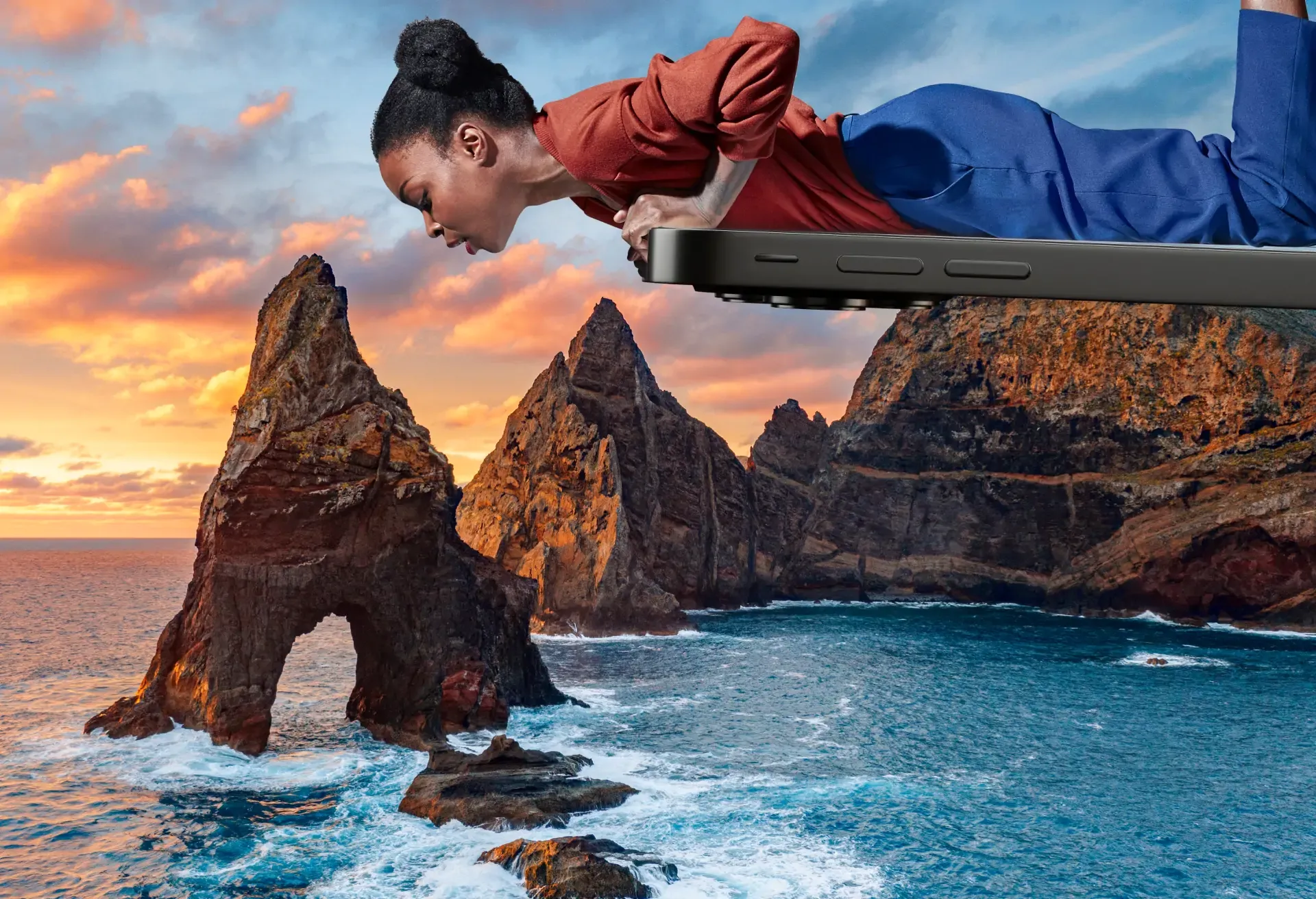
Not-yet-Tok’d.
The next “it” destination is the one you haven’t seen on your feed yet.
After years of chasing the same viral views, Gen Z and Millennials are calling time out on copy-paste itineraries. 74% of Gen Z and 72% of Millennials say they want to visit places they’ve never been before, posts on TikTok including #hiddengems saw an over 50% increase, and nearly 1 in 5 travellers surveyed are actively hunting for destinations that sit way outside the For You Feed comfort zone.
Travellers are craving confidence – they want to know they are choosing amazing destinations, at the least crowded times, for the best price, because that’s winning.
– Carolina Montenegro, KAYAK SVP Global Brand & B2B Marketing
This isn’t about posting proof anymore. It’s about finding something real. Money and safety still lead the decision making, but right behind them is a growing itch to experience something new – something that isn’t already saturated with filtered sunsets and déjà vu crowds.
So if a place hasn’t gone viral yet, that’s not a red flag. It’s the selling point.

Booked now, paid later.
Travellers aren’t cutting back, they’re just getting creative with how they pay for trips.
In 2026, 28% of Gen Z and 26% of Millennial travellers surveyed say credit or installment plans will decide how many trips they can actually take. “Buy now, pay later” has officially graduated from retail trend to travel enabler.
And it’s arriving at the right time. Based on KAYAK flight searches, international fares from Canada are flat compared to last year, making that big trip abroad a little more within reach. Plus, travellers are leveling up their deal-hunting game – the use of flight price alerts is up 39% year over year, while car rental alerts have quadrupled.
When budgets are tight, travellers lean on the payment method that gives them the most flexibility. And they expect travel companies to support those options.
– Annie Wilson, KAYAK Chief Commercial Officer
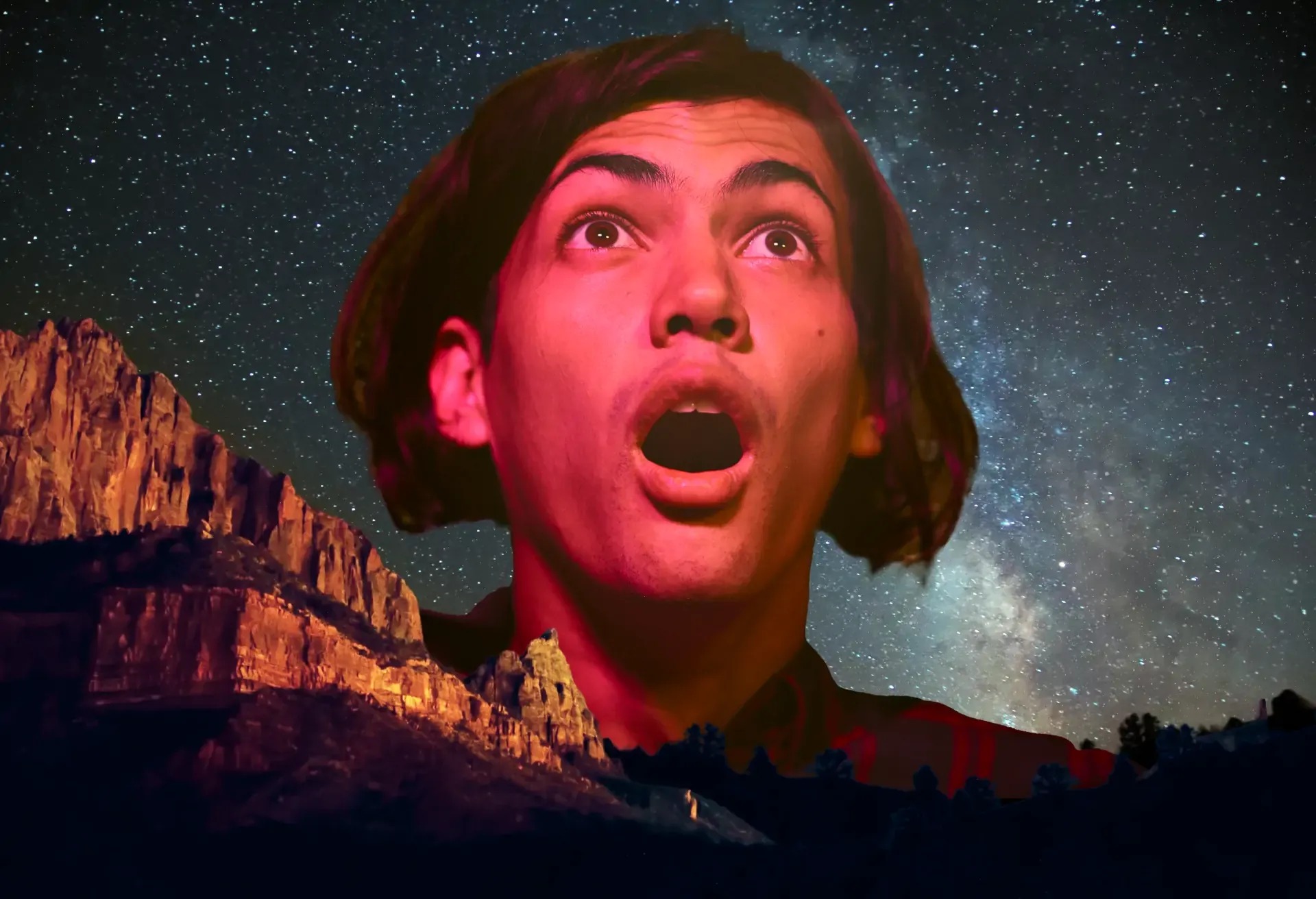
Gasp-aways.
Forget souvenirs – 2026 is the year
of goosebumps.
Travellers are chasing moments that make them stop, stare and say “wow.” From solar eclipses to glowing oceans, it’s all about the kind of experiences you can’t scroll past or stage.
Thirty-five percent of travellers say awe-inspiring experiences are a top priority in 2026, and 60% say natural wonders will guide their travel plans. Among Gen Z, nature trips are now in the top five vacation types taken. Naturally, #glamping saw a +20% increase in TikTok posts – a sign that awe and outdoors are officially back on the itinerary.*
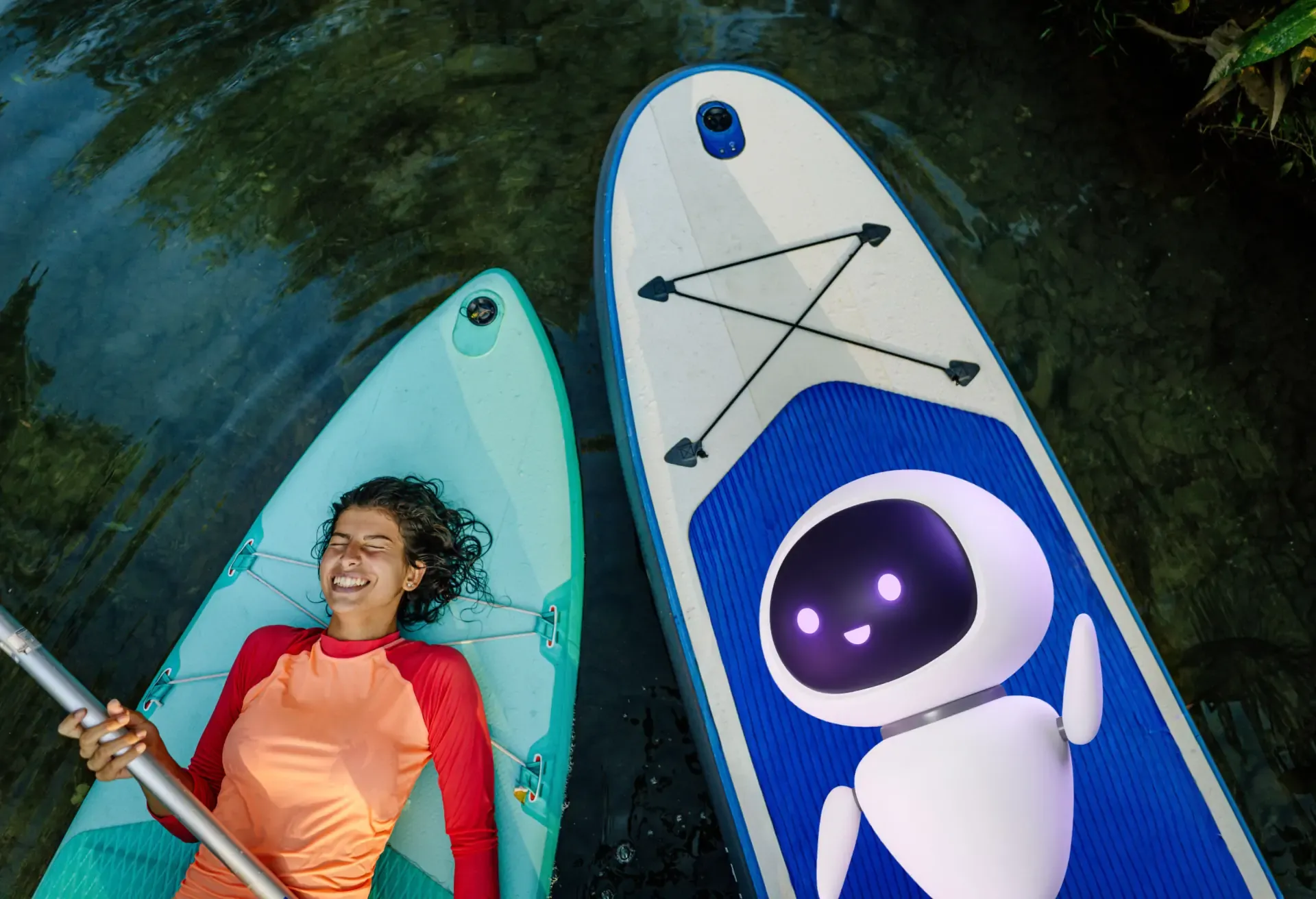
Your pal, AI.
AI has officially joined the group chat – and it’s not on mute.
Remember when you asked your friends for travel tips? Cute. These days, travellers are swapping group chat gossip for guidance from AI.
For Gen Z and Millennials, AI isn’t just a tool – it’s the new travel buddy that actually knows what it’s talking about. Thirty-one percent say they trust its picks because it pulls advice from millions of sources, and 25% say it feels more accurate and up to date than anything their friends send in a DM.
Fifty-five percent of travellers say they’d change destinations if AI told them there’s somewhere better, while nearly four in ten admit they’d do it for a better deal.
Travellers are using KAYAK.AI for identifying travel deals – not just for making itineraries. Metasearch’s unique value of comparing prices remains the best strategy for deal seekers.
– Matthias Keller, KAYAK Chief Product Officer

Value, best, cheapest
44% of categorized prompts are about finding deals and budget travel options.

To fee or not to fee
Checking on travel rules and policies is one of the top 3 prompt intentions (10%).

Inside-scoop FAQ
Popular prompts ask about hotel amenities and neighbourhoods, plus flight choices like layovers, seasonality and airport flexibility.
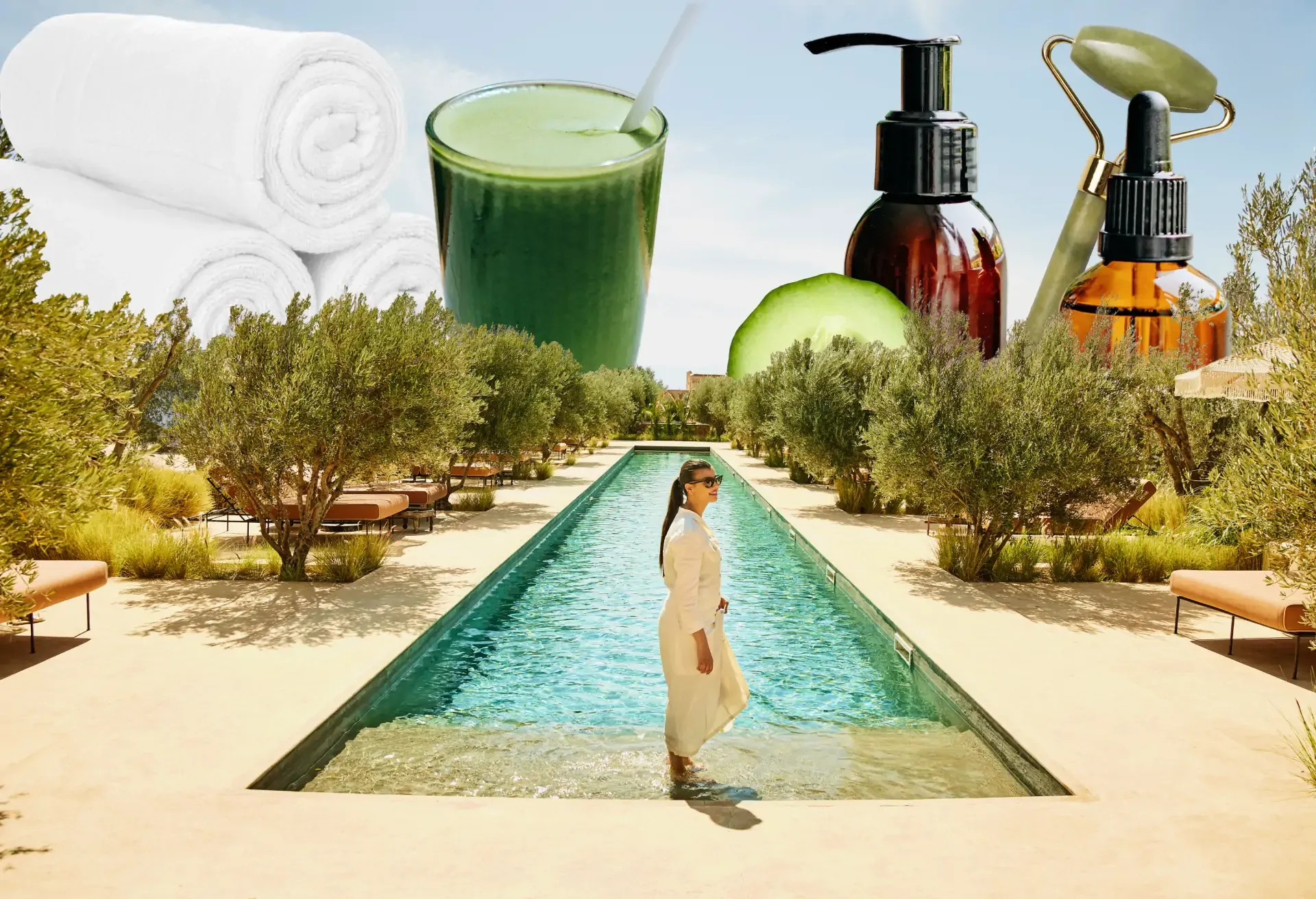
Wellth trips.
Luxury is getting a wellness makeover.
For Gen Z and Millennials, “wellth” is the new wealth. 67% say mental reset is their top reason for travelling, and 60% plan to spend more on luxury trips in the future. But their idea of “luxury” looks a little different. It’s less about showing off and more about showing up rested.
Thirty-eight percent say spa or wellness treatments make a trip feel lavish, and 29% go for exclusive experiences.
Forty-one percent of travellers want fine dining, with dining in high‑end restaurants rising 12%*, while experiential dining like wine tastings or set menus increased by 47%* in 2025 according to OpenTable.
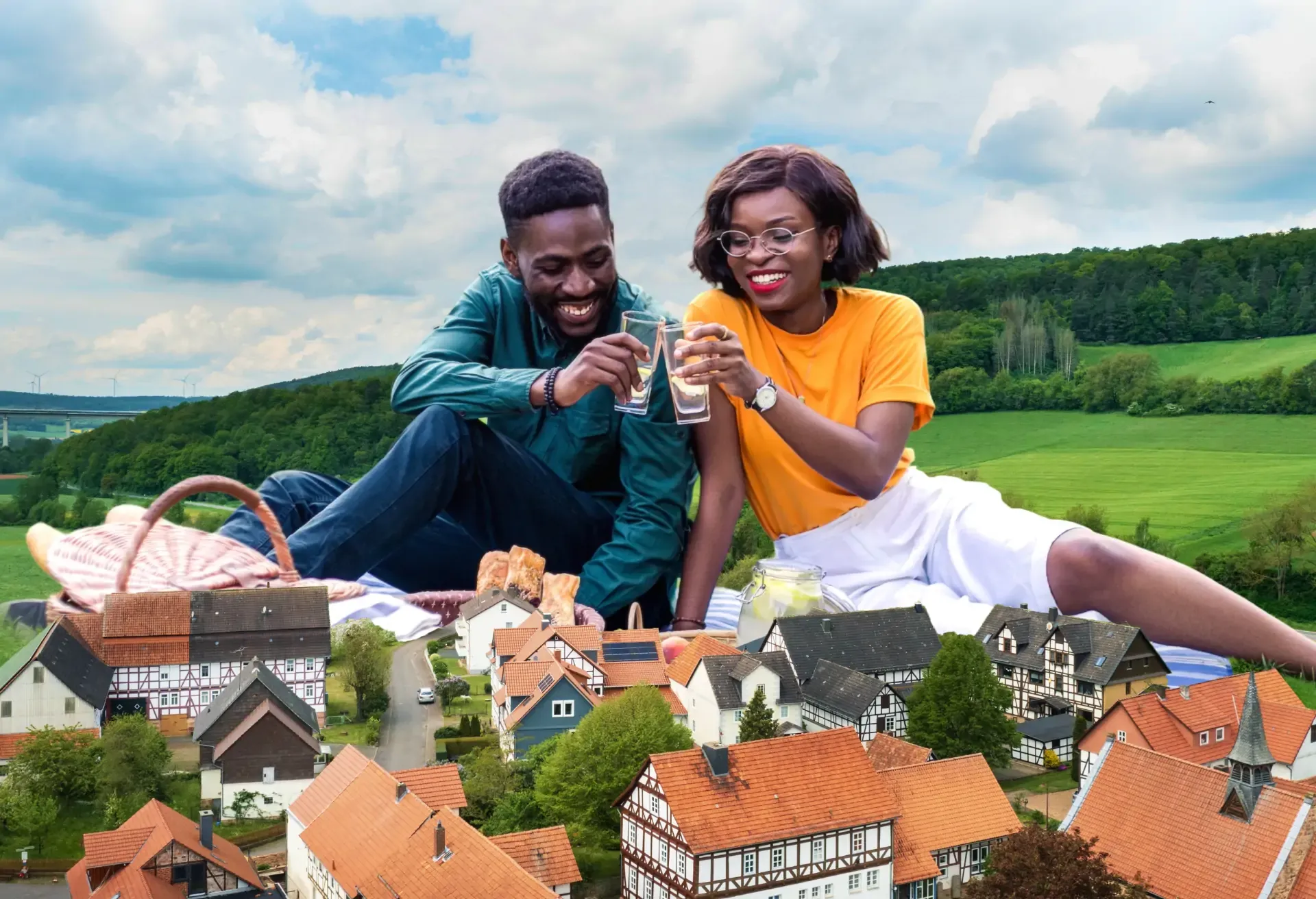
Little big trips.
The big-city rush is out, small-town charm is in.
For many Gen Z and Millennial travellers, the next great escape isn’t a weekend sprint through Manhattan – it’s a slow wander through a small town. In 2026, 85% say they’d rather visit a rural area or smaller city than a major hub.
Lower prices and thinner crowds help, but the real draw is authenticity. Thirty percent want a more genuine experience – the kind you find at local bakeries, quiet harbours or hole-in-the-wall diners. And yes, social media still plays its part. Roughly one in eight travellers say they’ve been inspired to visit lesser-known spots after seeing them online.
If you’re ready to swap skyscrapers for cobblestone streets, KAYAK AI Mode can help you find smaller cities that fit your vibe and your budget. Think of it as your shortcut to discovering places you didn’t know you were looking for.
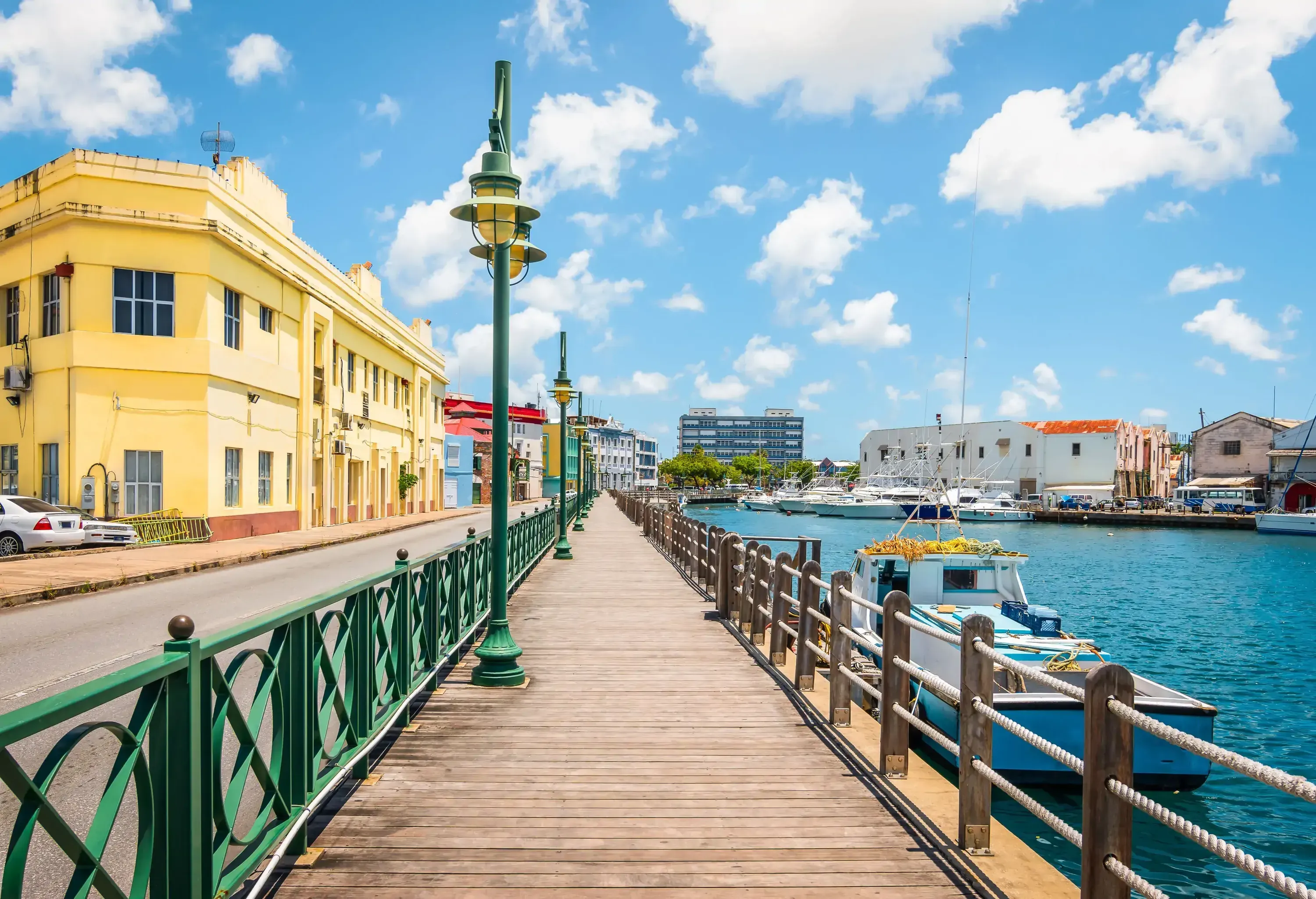


The main event.
In 2026, the destination is wherever the action is.
From stadium anthems to championship chants, travellers are building their itineraries around moments that make headlines.
Ninety-five percent of Gen Z and Millennial travellers say they plan to travel for a major event in 2026, whether it’s a concert, festival or global sports showdown. Music leads the charge with 36% hitting the road for live shows, followed by 31% for sports and cultural festivals and 28% for unique performances in unexpected places.
Big stages mean big travel plans. There’s a global soccer tournament taking over Canada, Mexico and the US (good news: KAYAK has a multi-city search feature that will let you hit up several stadiums – learn more here). The winter games land in Italy and the pan-Asia Games head to Japan. Add global tours from major performers and 2026 is shaping up to be one loud, unforgettable year.
So pack your earplugs and your passport – it’s going to be a busy summer.

Headspace holidays.
It’s not about seeing more, it’s about thinking less.
Travel used to be about seeing as much as possible. Now it’s about finally catching your breath.
In 2026, more travellers are slowing down – not out of laziness, but for sanity. Sixty-seven percent say relaxation and mental reset are their top priorities, and 46% say travelling at a slower pace helps clear their head. Nearly four in ten even say it widens their perspective.
For 29%, it’s all about quality over quantity – doing fewer things, but doing them well. Think long lunches, not jam-packed days. Still, real life gets in the way: budgets, limited vacation days and group travel top the list of what keeps people from fully embracing the slow lane.
The verdict? #Slow travel registered an almost 330% post increase within the TikTok creators community. It isn’t about going nowhere. It’s about going mindfully – and coming back with a refreshed mind.
To find a destination that’ll get you in the right headspace, ask KAYAK AI Mode to give you ideas on the top destination to help you unwind.
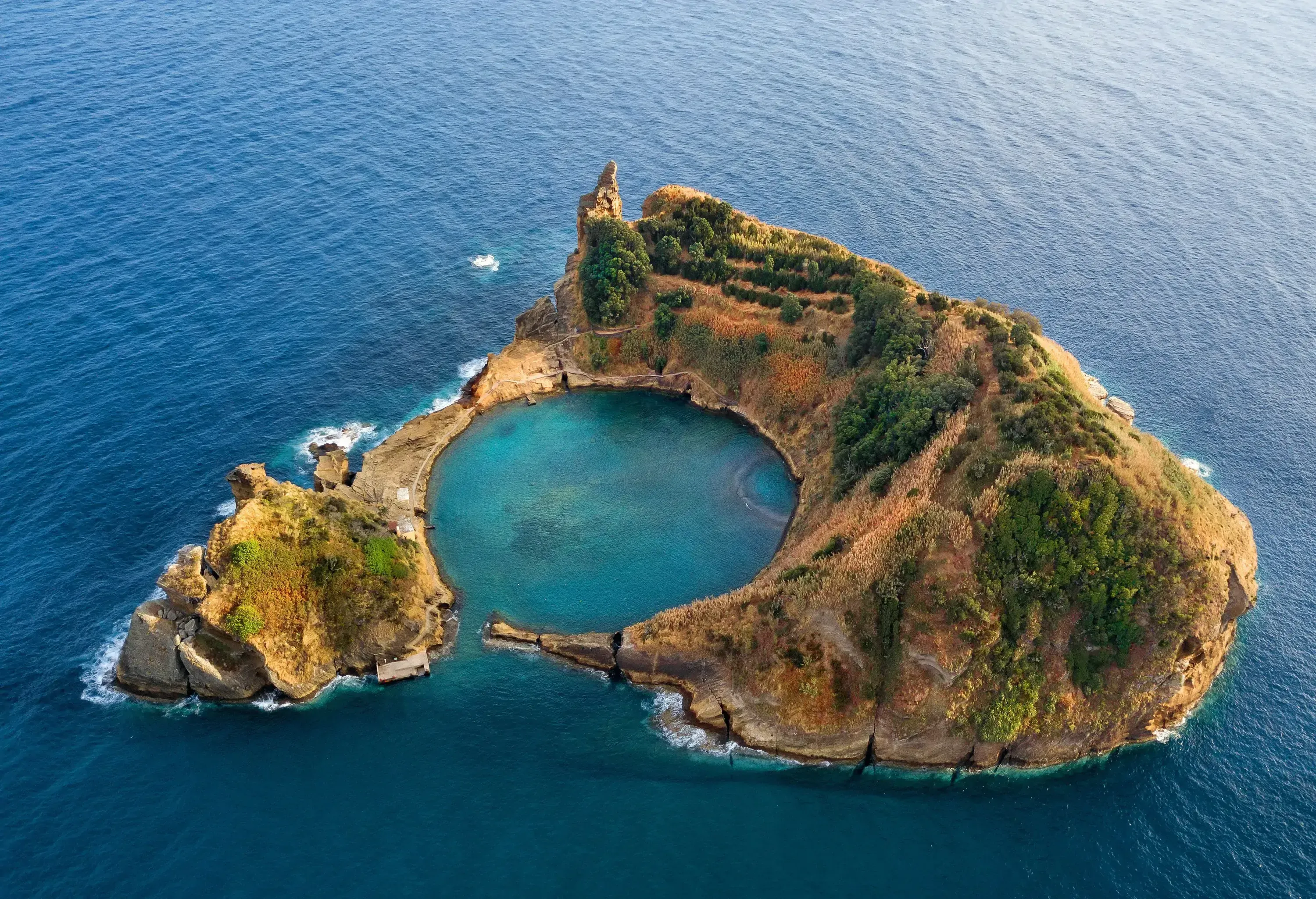
Azores, Portugal
Volcanic islands, hot springs, few tourists
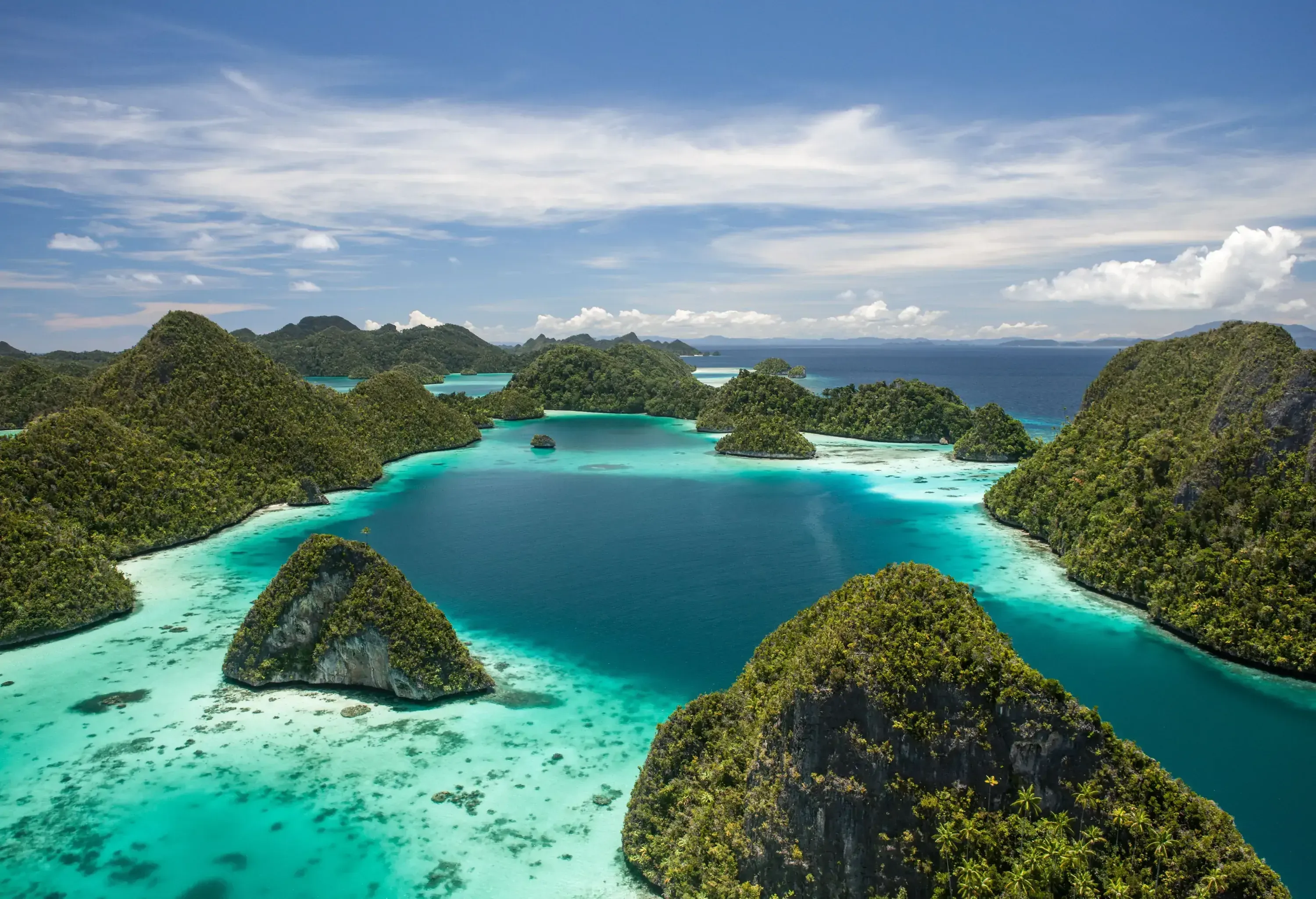
Raja Ampat, Indonesia
Unspoiled islands, diver’s paradise, raw nature
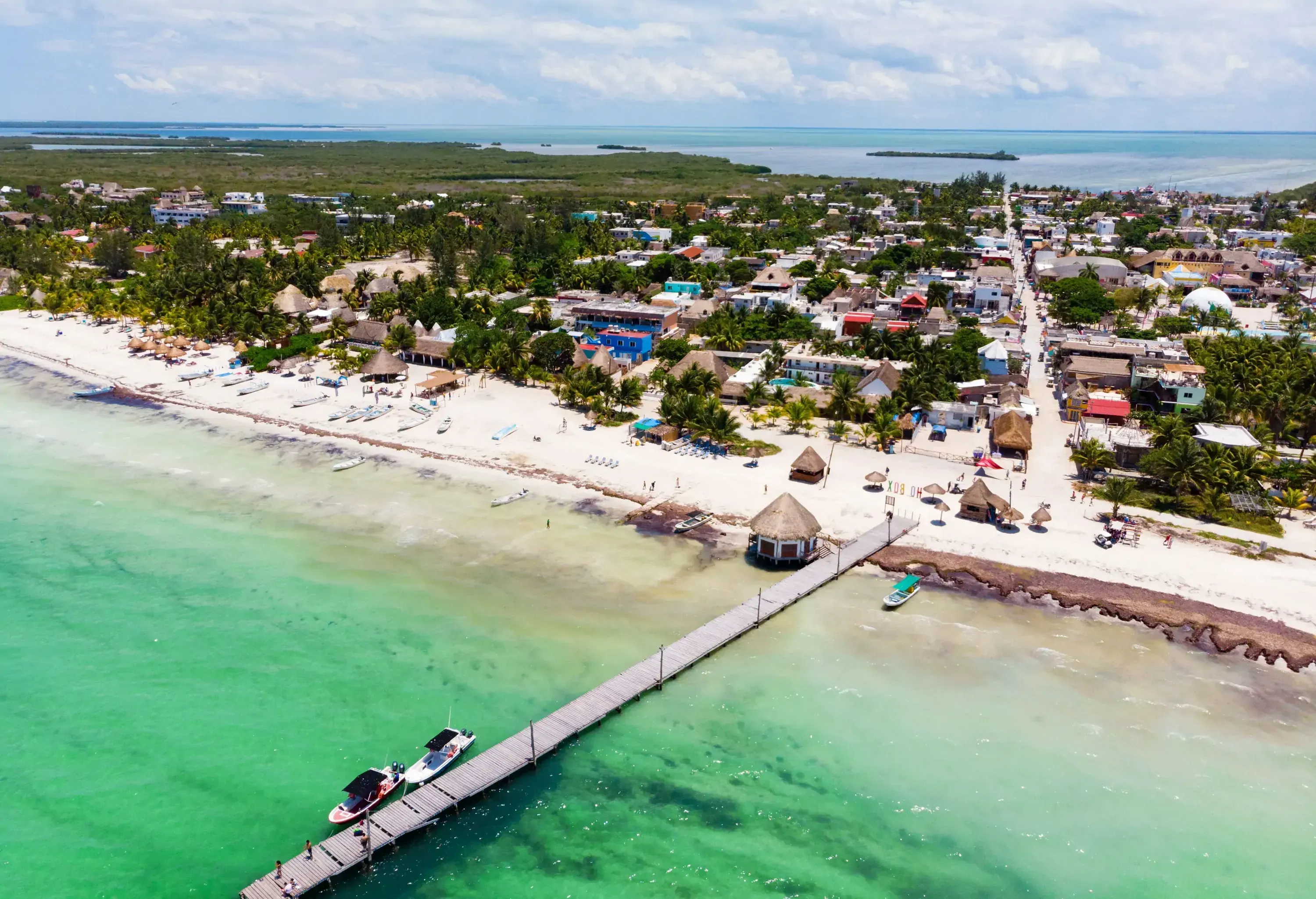
Isla Holbox, Mexico
Sand streets, hammocks, no cars
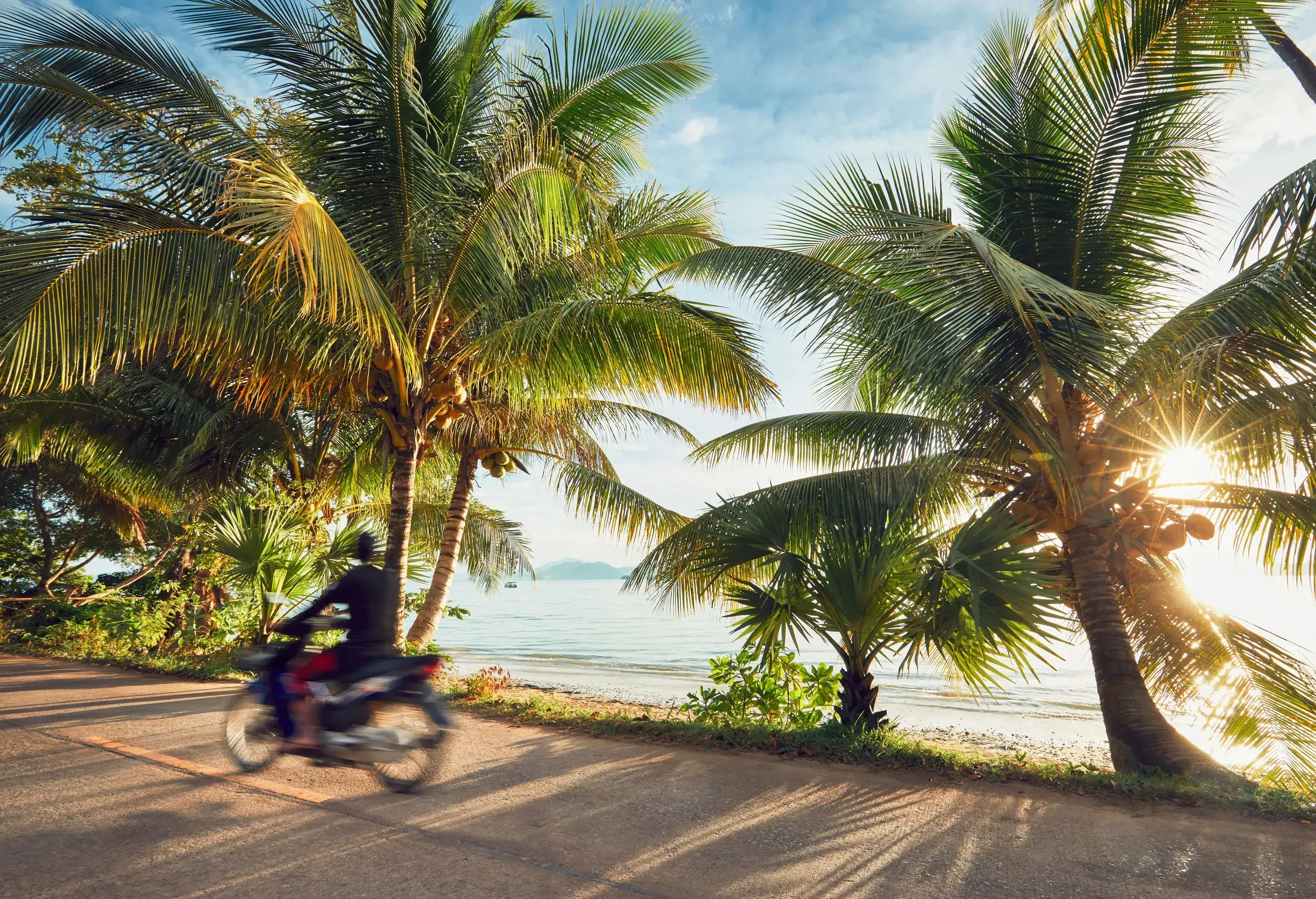
Koh Yao Noi, Thailand
Quiet beaches, authentic island life
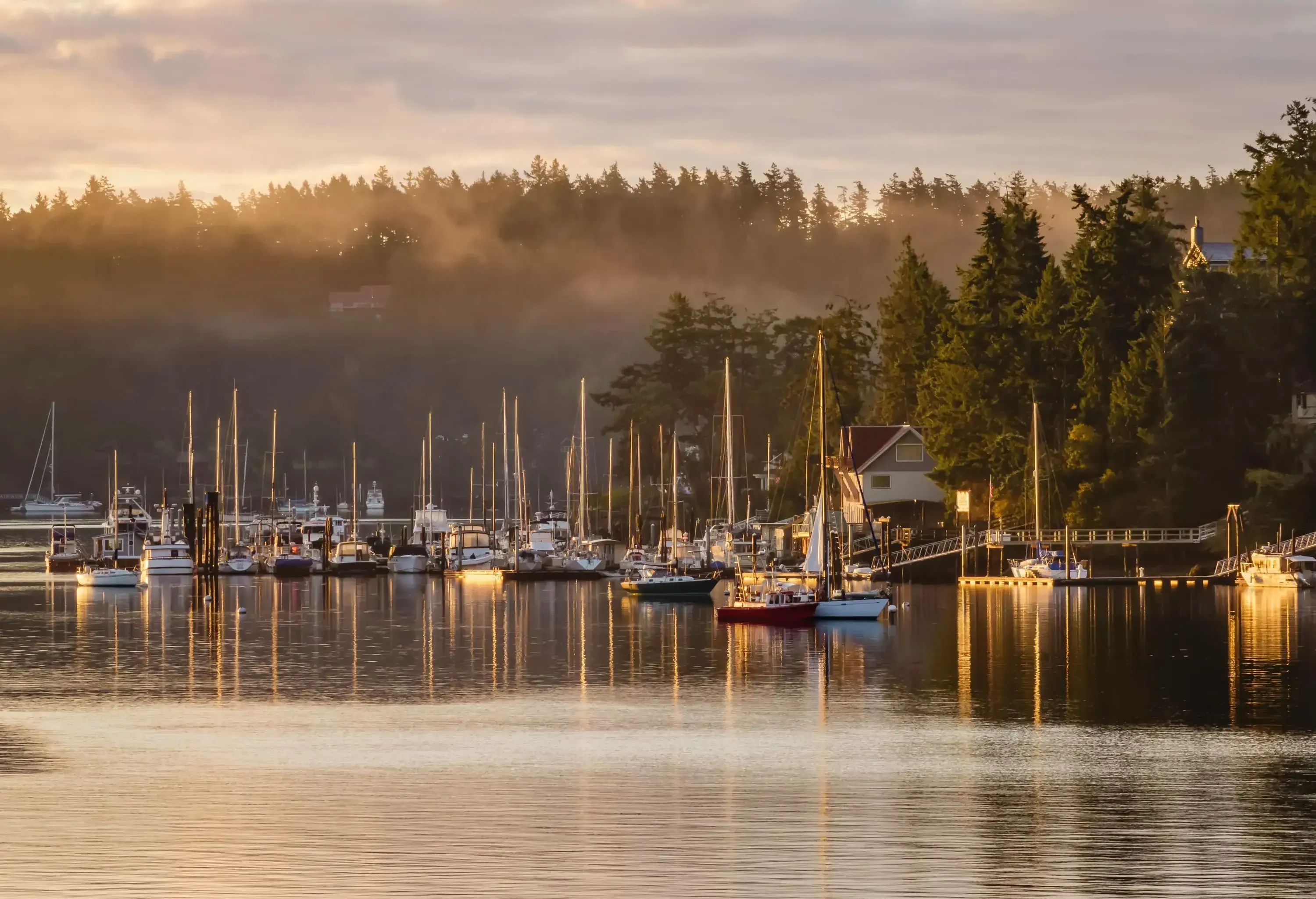
San Juan Islands, USA
Orcas, forests, relaxed atmosphere
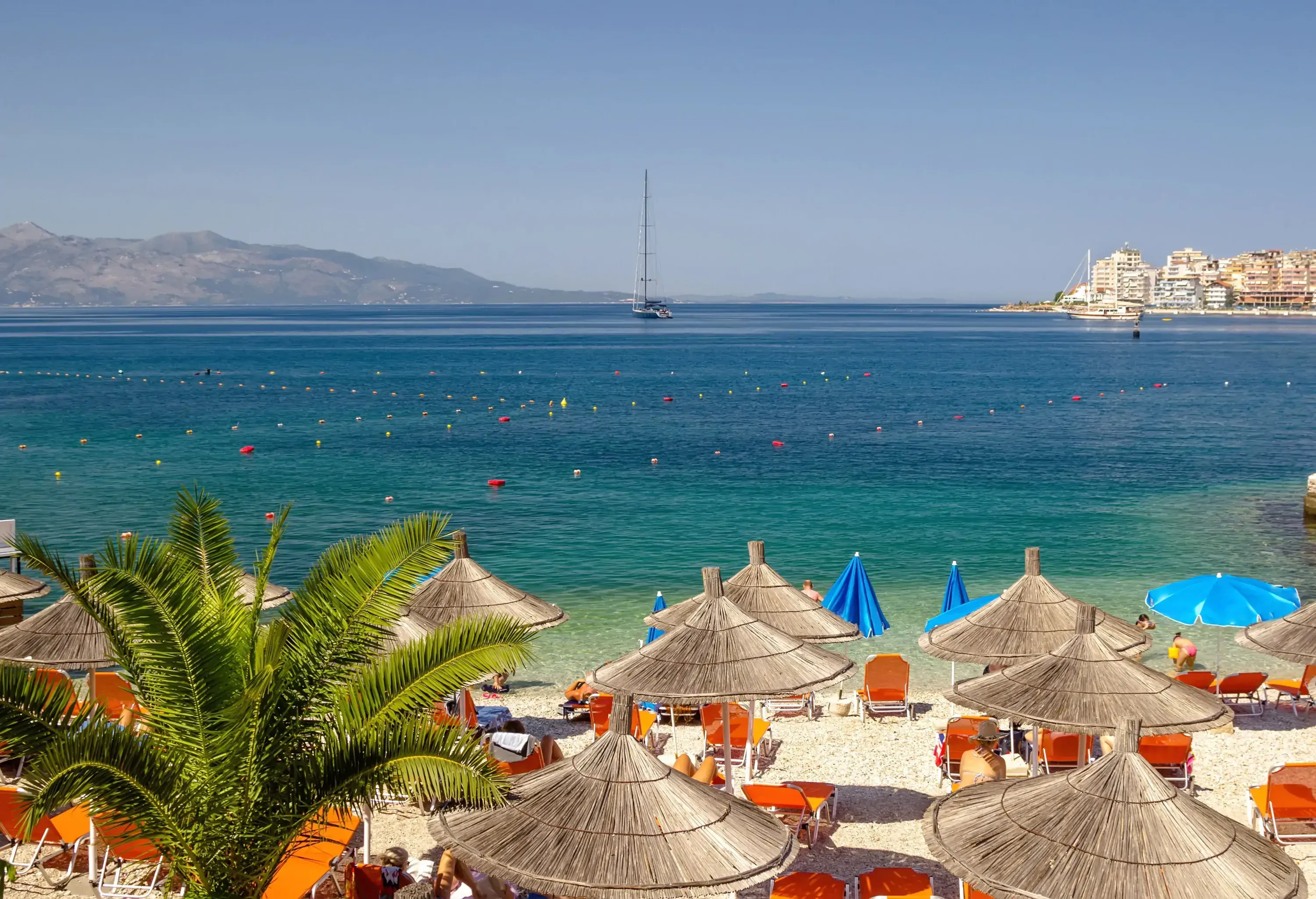
Albanian Riviera, Albania
Turquoise water, low prices, not crowded
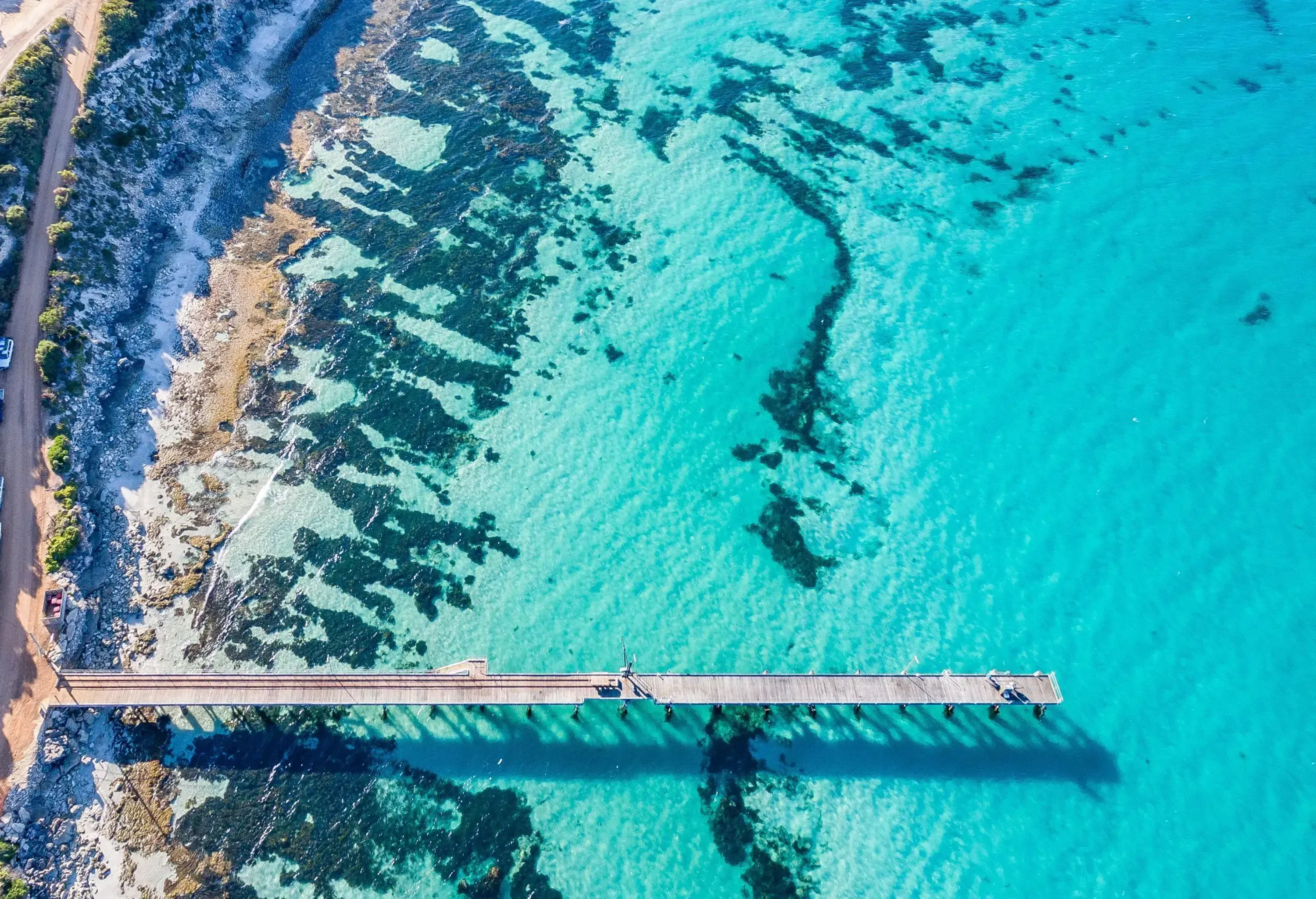
Kangaroo Island, Australia
Wild nature, beaches, kangaroos included
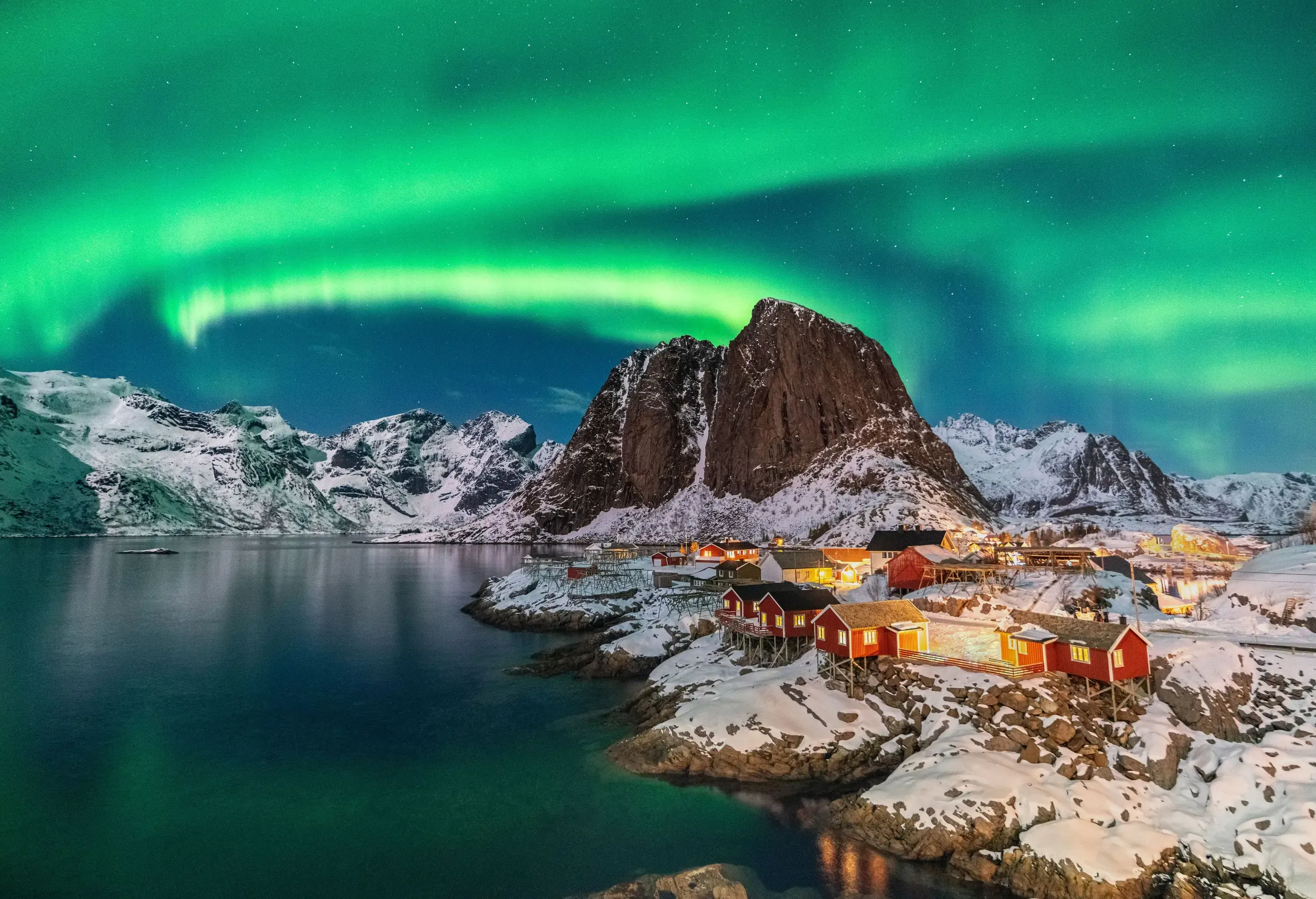
Lofoten, Norway
Dramatic landscapes, small villages, northern lights
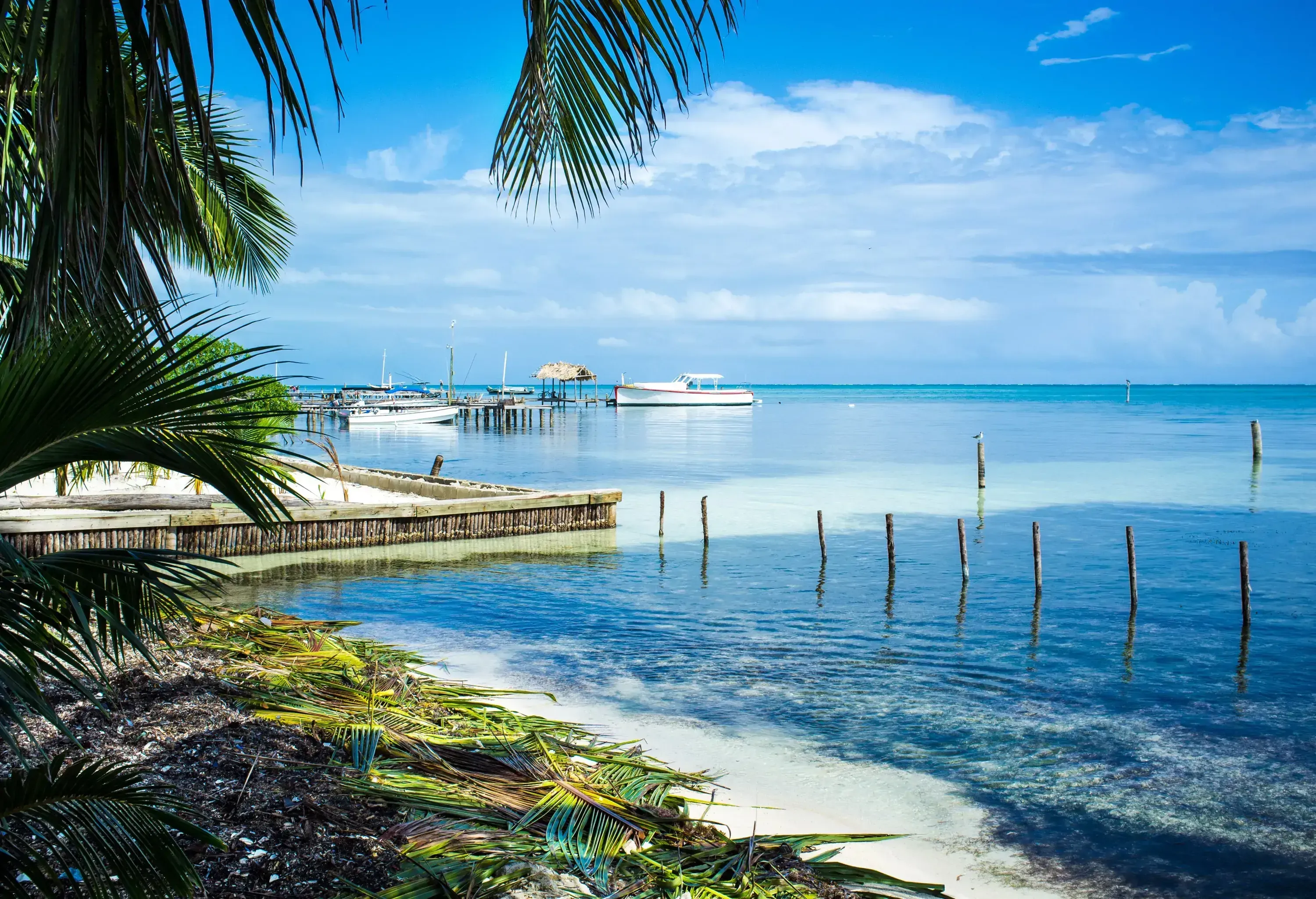
Caye Caulker, Belize
“Go Slow” island, Caribbean vibe, chill bars
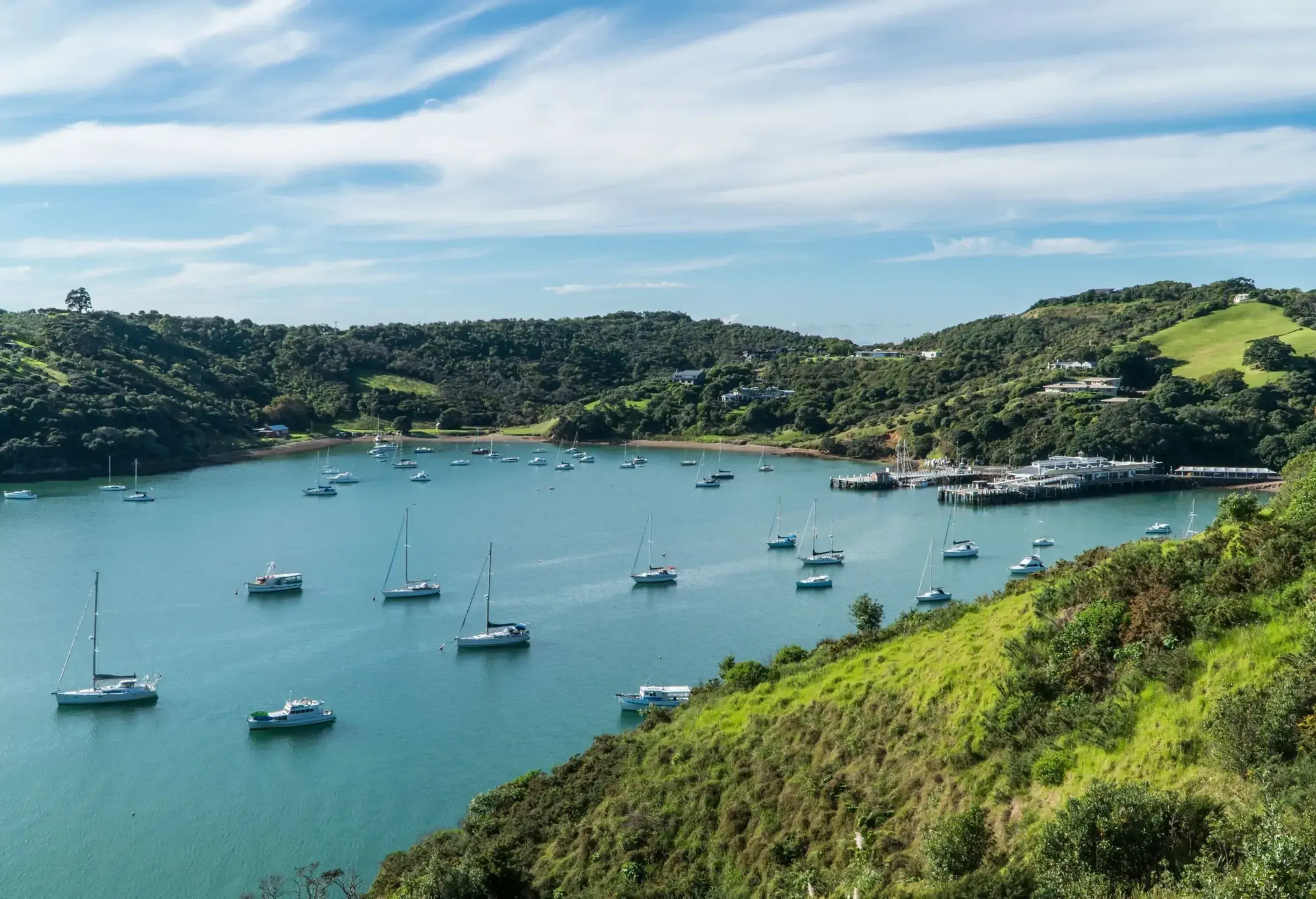
Waiheke Island, New Zealand
Vineyards, beaches, artists
Nanocations.
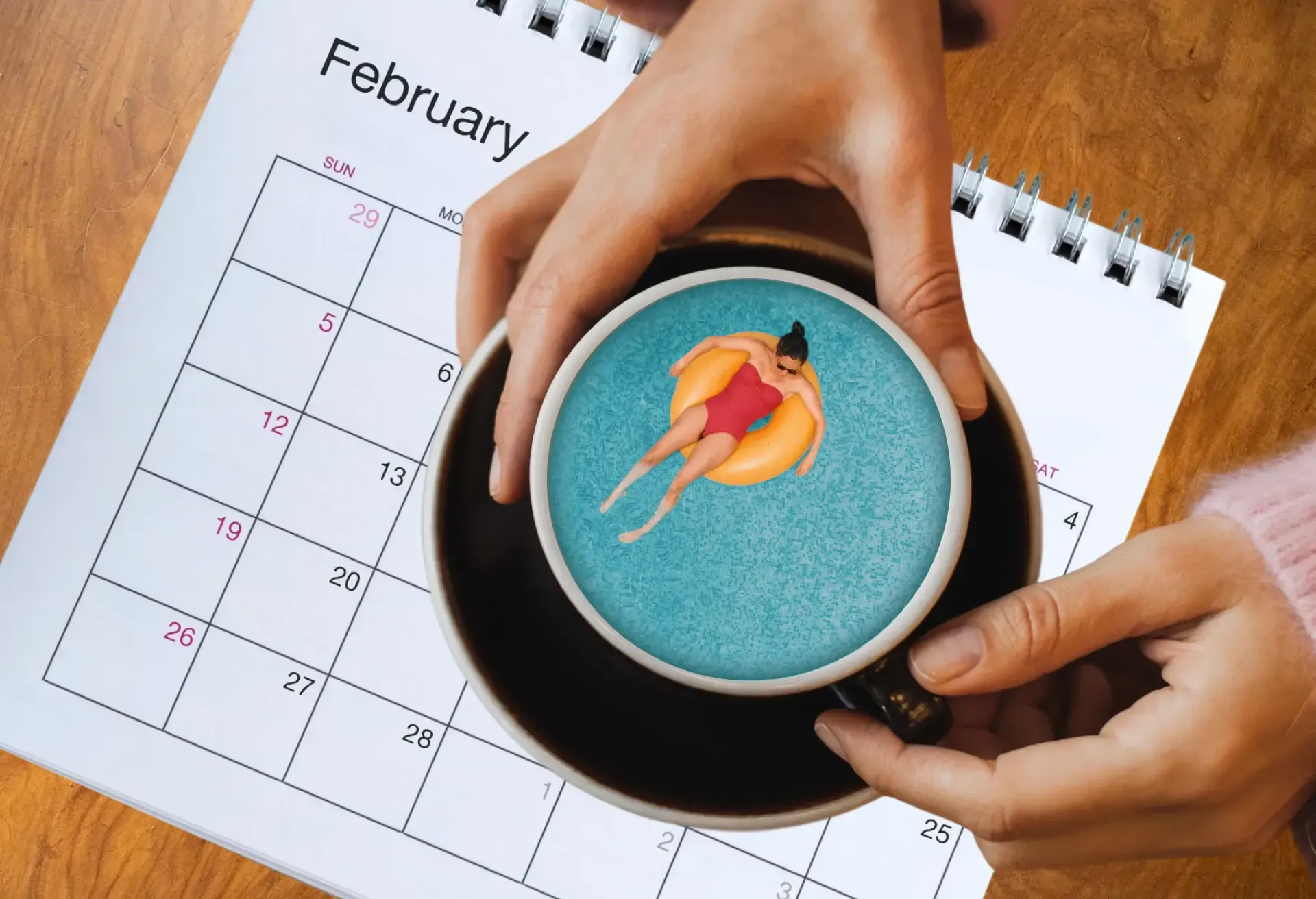
Some travellers are taking more short trips that deliver instant refresh and maximum reset.
Who decided vacations have to be long to work? In 2026, travellers are ditching the countdown-to-summer-break mindset and chasing short, spontaneous getaways instead.
Nearly 61% plan to take several shorter trips in 2026, proving that you don’t need two weeks off to hit reset. These mini escapes deliver the same refresh in half the time – and with way less planning.
Call it the age of “treatonomics” – the idea that small indulgences aren’t luxuries anymore: they’re necessities. The share of hotel searches for 1–3 night stays has increased by 6% within a year, while the use of #weekendgetaway increased by 60% on TikTok. Travellers want freedom to go when the mood hits, not when the calendar says so.
Flexibility is key too. 51% want plans they can change at the last minute, and 33% want experiences tailored to their mood once they arrive.
Short trips, big payoff. Because sometimes all you need is one good night away to feel like a new person.
Soft adventures.
Adventure doesn’t have to mean
roughing it.
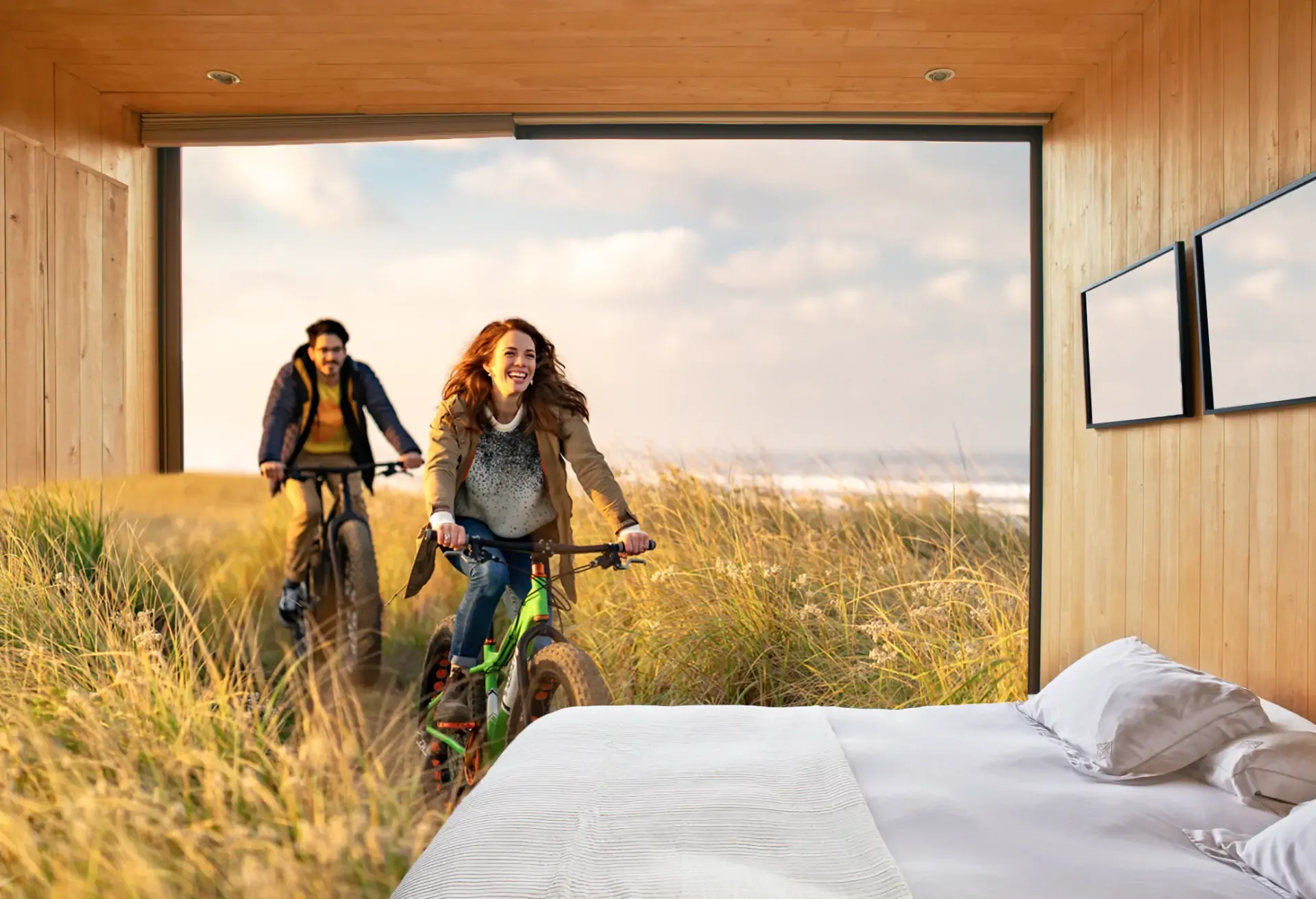
Today’s travellers want the outdoors with good wine, soft towels and a touch of comfort. They’re trading in tents for trendy hotels and adding spa days to their hiking itineraries. Call it the new outdoors: scenic hikes in the morning, local wine at sunset, fresh linens waiting back at the room.
With wanderlust amplified, #adventuretravel rose almost 10% on TikTok. Nearly one third of travellers now mix light adventure with relaxation, choosing activities like hiking, cycling or paddleboarding that leave time for a nap after. Another 20% call themselves adventure and nature seekers, and 13% plan to travel for at least three months in 2026.

+21%
searches for pool

+13%
searches for hot tub

+10%
searches for Wi-Fi