
Newsflash: eclipse trips are totally in. Just ask the millions who travelled to the path of totality this past spring. If setting out to see the next solar (or lunar) spectacle is on your bucket list, we put together the ultimate cheat sheet to help make it happen.
FYI: a solar eclipse occurs when the moon passes in front of the sun and puts the Earth in its shadow. A lunar eclipse happens when the Earth crosses the sun, leaving the moon in its shadow. Solar and lunar eclipses come in pairs about two weeks apart, in either order.
Then there’s the total eclipse: when the Earth, moon and sun perfectly align, casting either the sun or moon into the deepest shadows. Happening around every two-and-a-half years, this creates a spectacular momentary ring-of-fire effect called the umbra.
When should I book to see the eclipse?
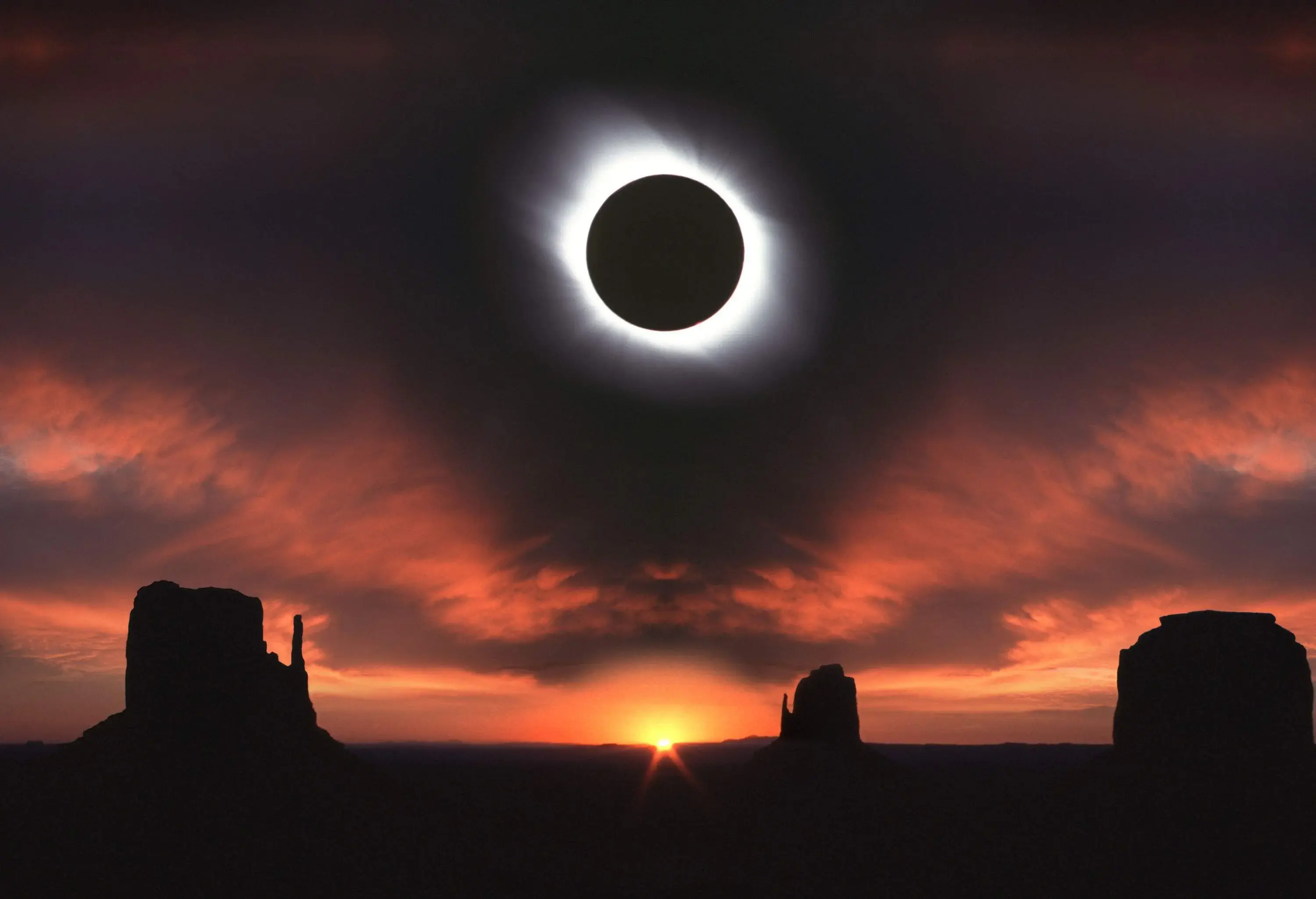

Total solar eclipse visible in Greenland, Iceland, Spain, Russia and part of Portugal
When: August 12th, 2026
Book from: Now to mid-2025
Europe's first solar eclipse in 27 years is already garnering huge interest. Covering a broad area, you can choose from destinations (and even cruises) aplenty—but don’t dawdle for too long.
The 5 best places to see the Total Solar Eclipse on 12 August, 2026
Europe’s last total solar eclipse was on the 11 of August, 1999, so excitement for its next is already high. But some destinations have had to wait longer. Iceland, for example, hasn’t seen a totality since 1954, while its capital’s last was in 1433.
Reykjavik, Iceland
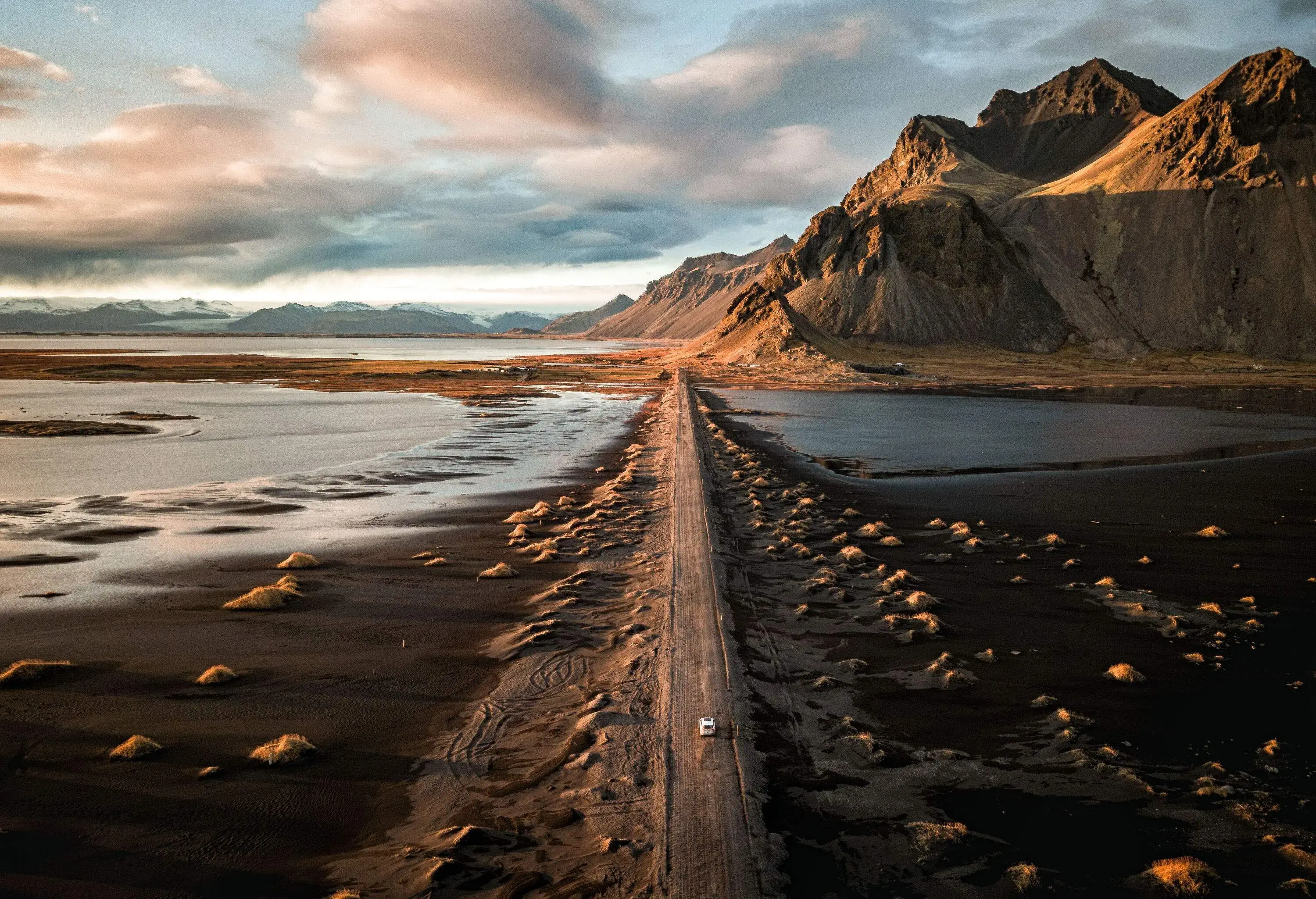
Road trip into Iceland’s hinterland and you might think you’re on the surface of the moon. For a quick return to Earth, there’s always Reykjavik.
Iceland will be the closest point to the maximum eclipse just outside Breiðafjörður Bay. Access to Reykjavik is easier though. From 5:48 pm, totality will flood the city with darkness for just over a minute.
If you’re lucky you may be able to check another astrotourism box. Late August marks the start of aurora season; the Northern Lights are not to be missed.
Snæfellsjökull National Park, Iceland
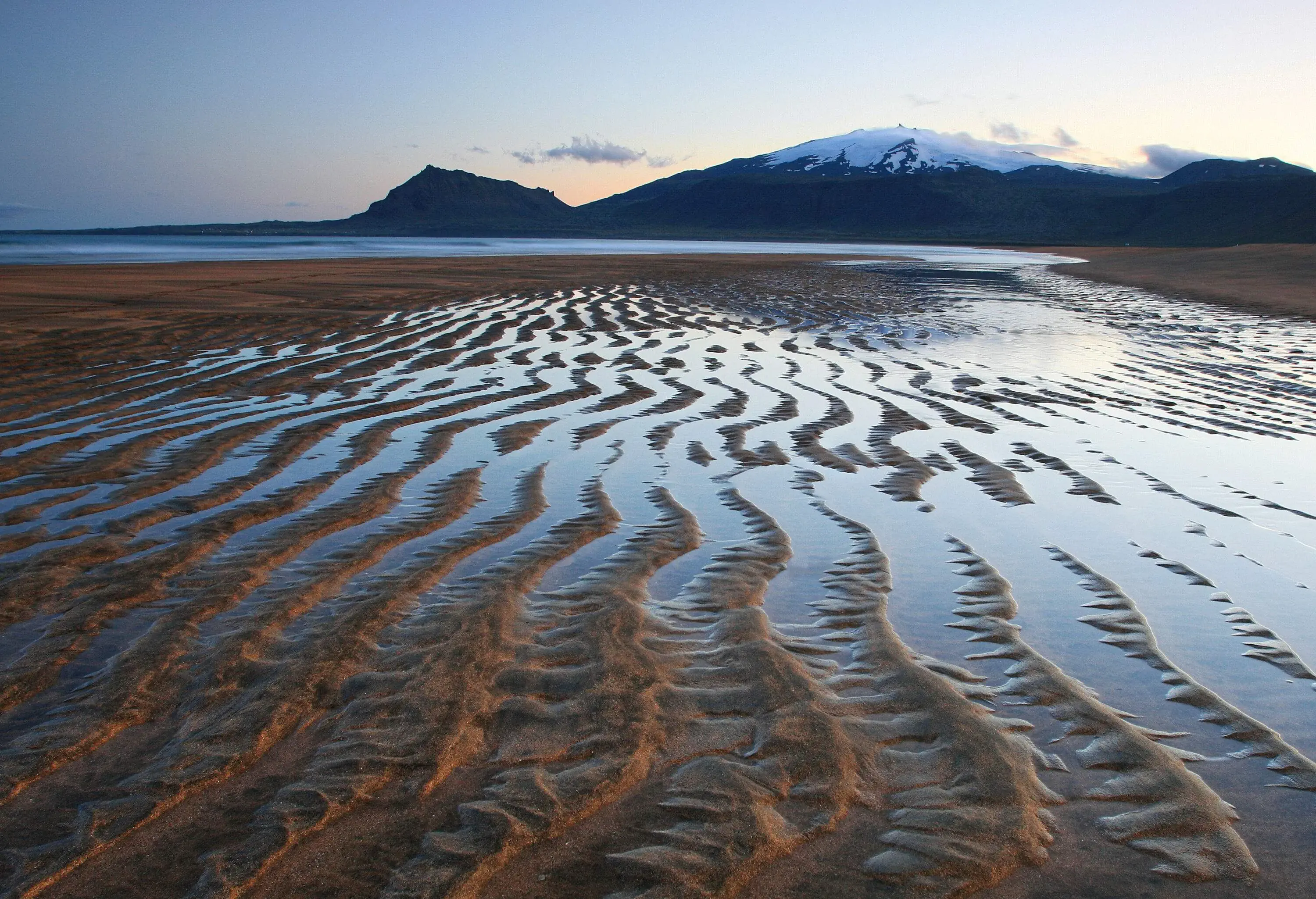
For the full out-of-this-world effect, head to the Snæfellsnes Peninsula and its incredible Snæfellsnesjökull National Park. A hotspot for Northern Light watching, expect it to be busy (although there’s plenty of room to spread out).
As volcanoes bubble, puffins grumble and black rock glistens, the eclipse is the perfect way to complete the scene. This is the longest period of totality you’ll find anywhere, lasting a full two minutes and ten seconds.
Scoresby Sund, Greenland


To Iceland’s west, gargantuan Greenland also sits under the 2026 total solar eclipse path. On its east coast high above the Arctic circle, Scoresby Sund is the world’s largest fjord system, reaching some 350 km inland.
What better way to witness totality than floating on a boat in one of its many iceberg-dotted bays? The eclipse will peak at 4:33 pm and last just under two minutes.
Palma de Mallorca, Spain
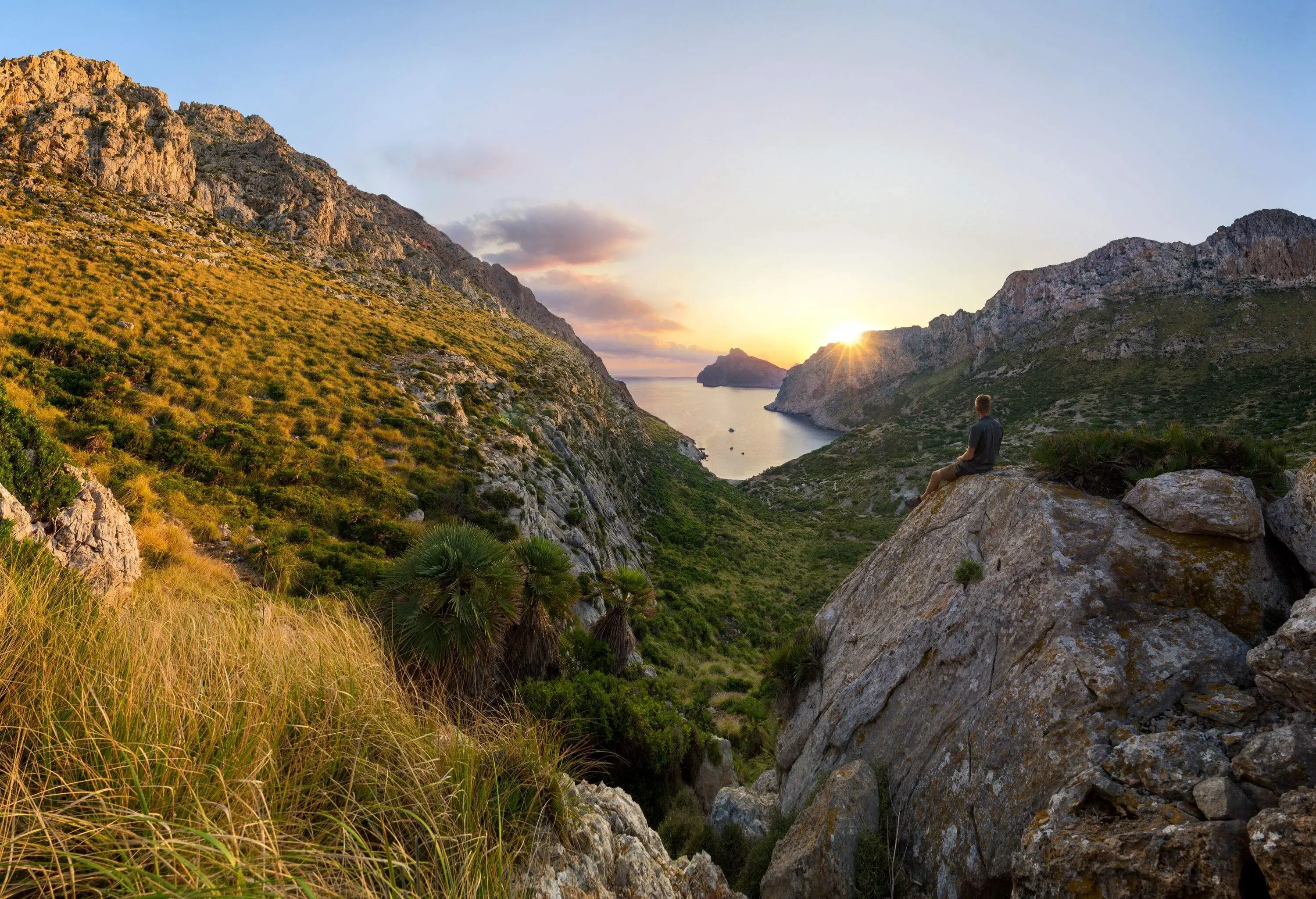
Mallorca is a perennial summer favourite and will be packed come eclipse day. There’s plenty of space to find the perfect spot to see it, be it beach, mountain or cliff top bar.
The skies will be as good as certain blue and cloudless. With cloudless, blue skies guaranteed, head to the peaks of the Serra de Tramuntana for the clearest view. The eclipse peaks at 8:31 pm with the sun just 2.5° above the horizon. As it sets it will move into a dramatic crescent before disappearing at 8:50 pm.
A Coruña, Spain
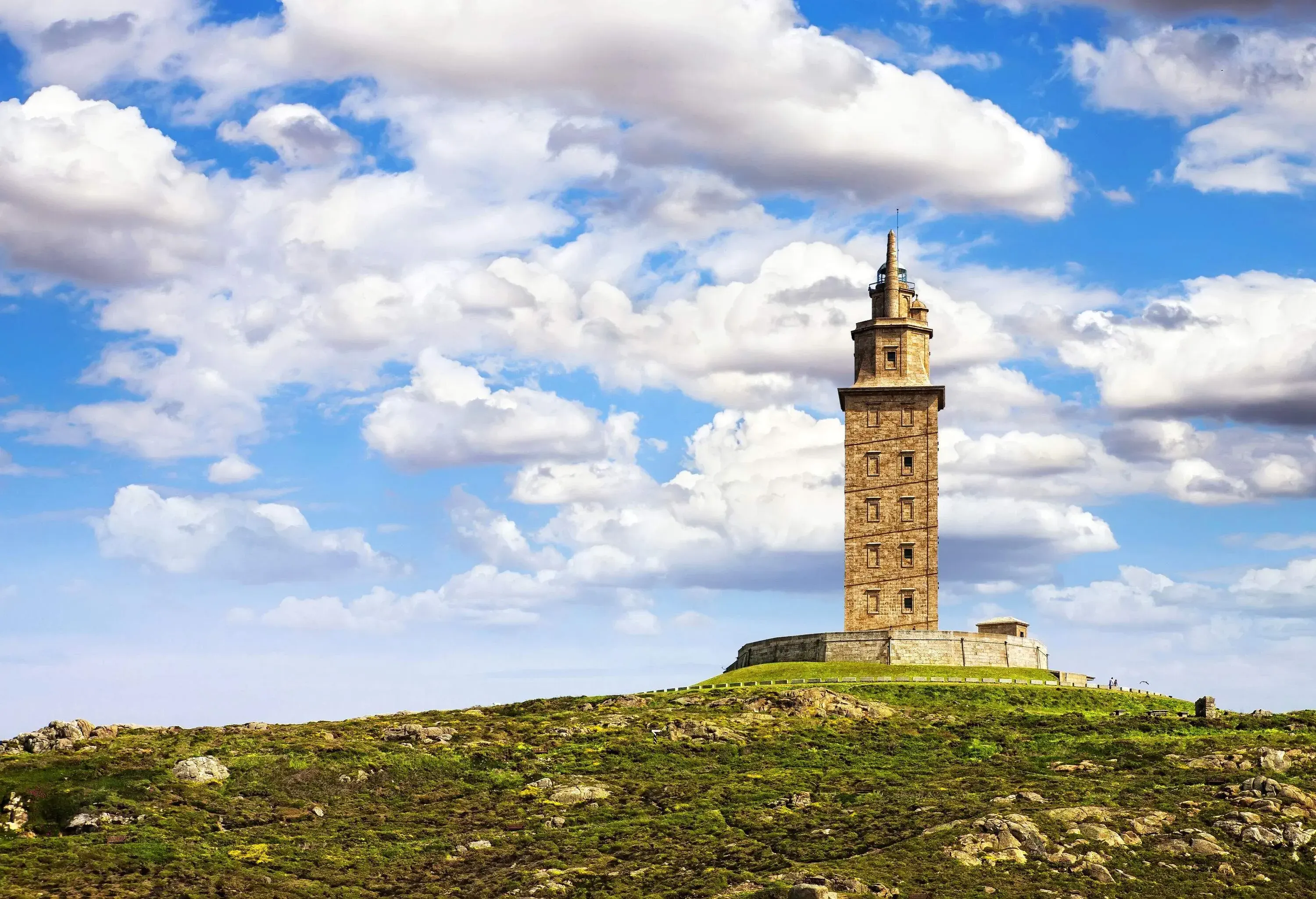
On Galicia’s northwestern corner, the port city of A Coruña is markedly different from Mallorca. Often overlooked by tourists, this cultural and commercial hub is the gateway to one of Spain’s most captivating regions.
A Coruña will see the highest solar eclipse in Spain, starting at 8:27 pm, 12° above the horizon. Head to the Torre de Hércules for uninterrupted views. This Roman-built lighthouse is reported to be the oldest in the world.